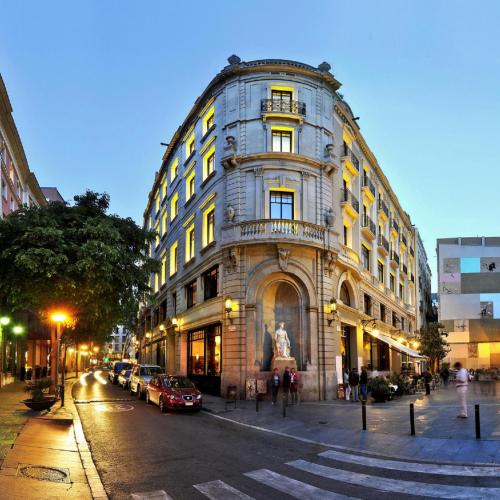
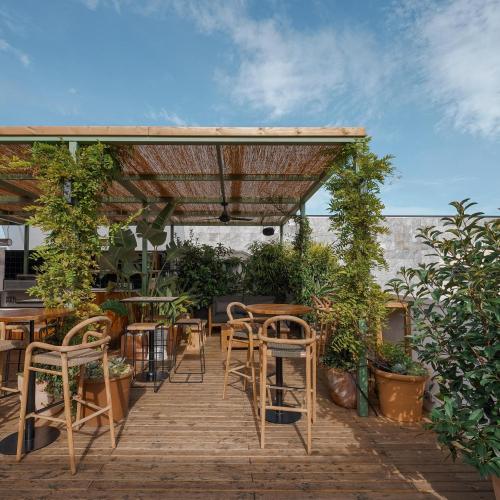
Top Rated 71.63 Where to stay — pick your vibe
View full guide →
★ New on the map
Recently added in Barcelona
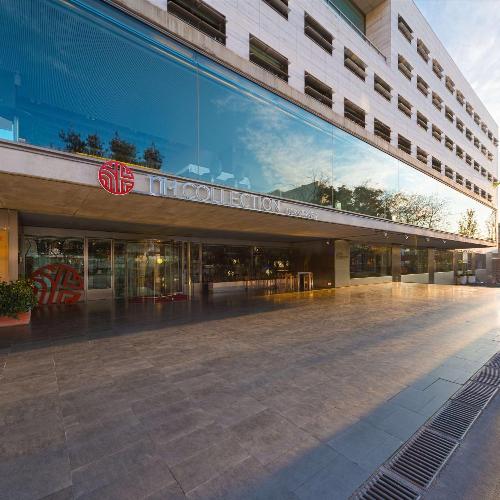
Ramblas Hotel
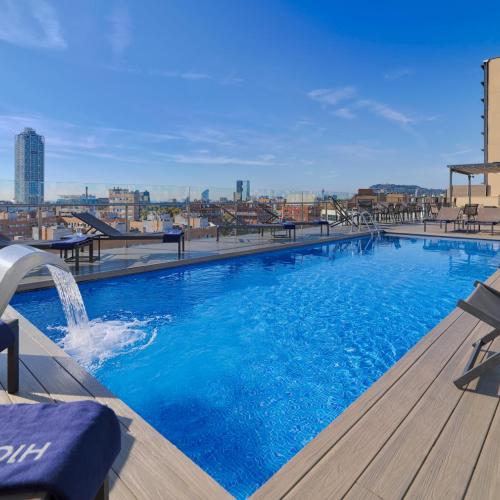
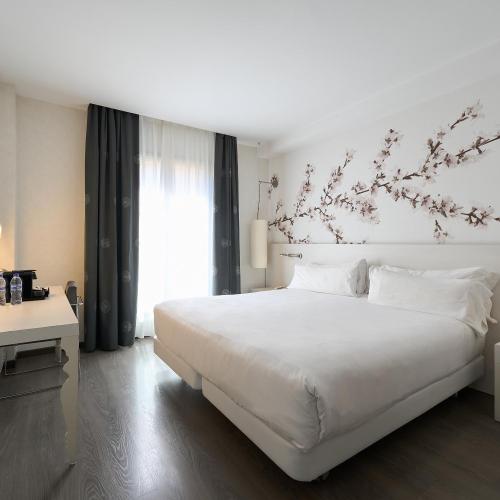
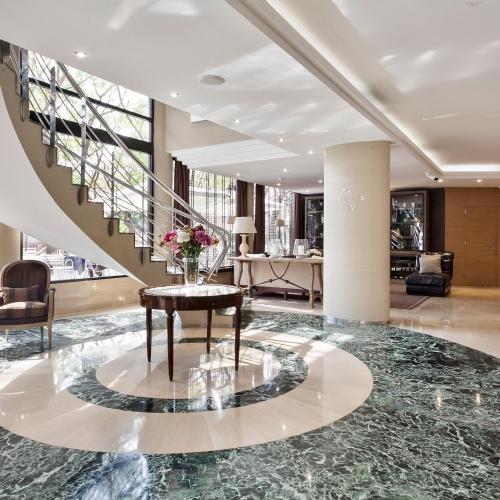
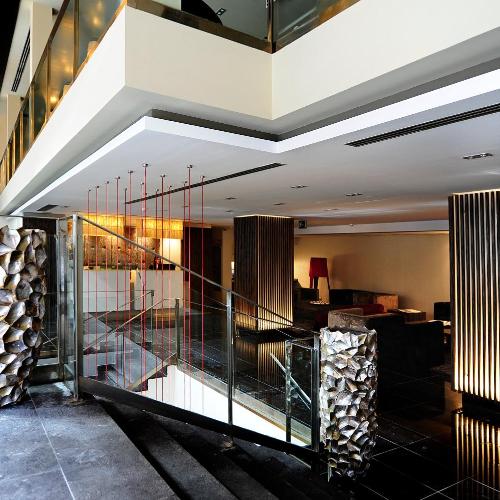
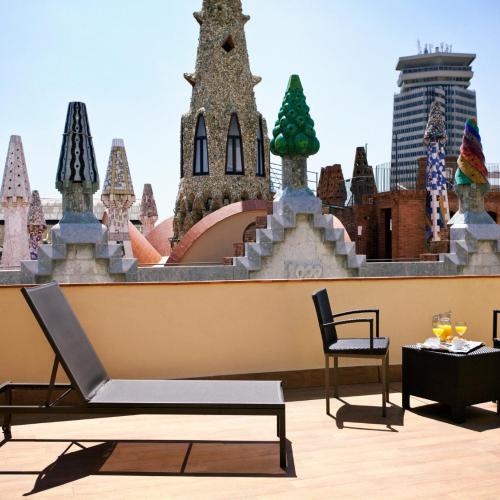
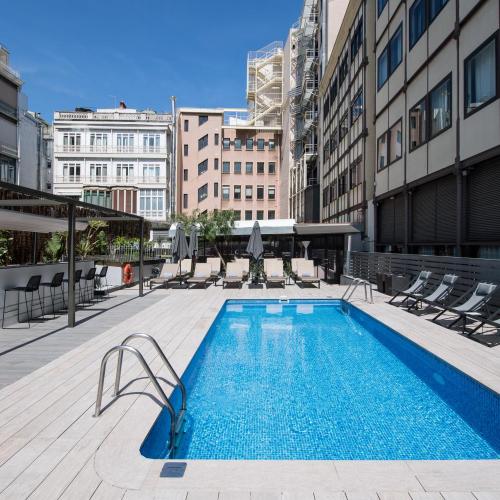
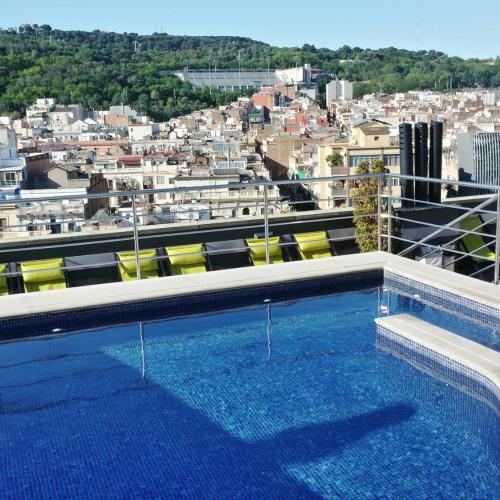
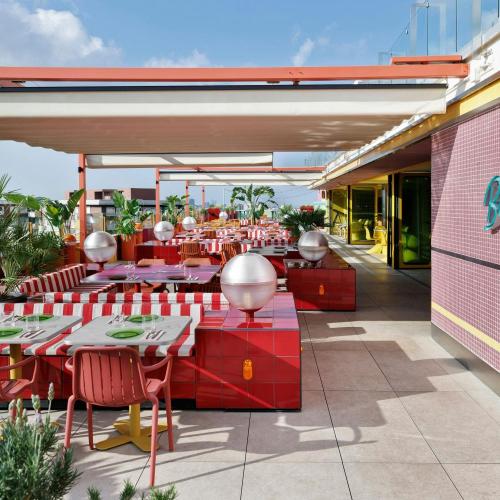
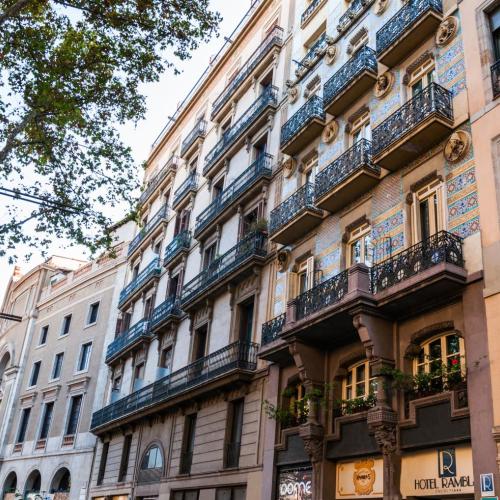
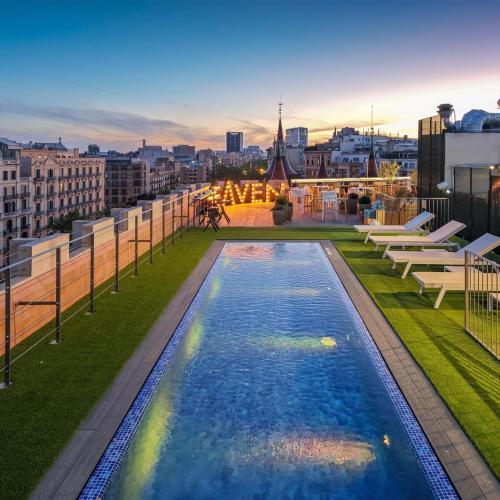
There's a particular kind of property that travellers keep coming back to in Barcelona: Ramblas Hotel, a mid-range hotel in Ciutat Vella, fits that bill. The reasonable location score reflects what guests actually feel o…
Top hotels in Barcelona
Our best picks
Cut through the list — the strongest choice for each type of stay.
Why Barcelona works today
Barcelona has long been one of the easiest European cities to sell in a single sentence: sea, sun, architecture and nightlife. But that description is now too simplistic. In recent years, and especially after the city drew renewed international attention through debates around tourism pressure, housing regulation, and …
That is now the key difference between an average Barcelona trip and a very good one.
The city is still visually striking. Antoni Gaudi’s influence remains one of Barcelona’s strongest draws, from the Sagrada Familia to the broader modernist identity that shapes the city’s look and feel. The Gothic Quarter still offers the dense, atmospheric streets many first-time visitors imagine. The seafront still gives Barcelona an advantage over cities that offer culture but no beach. And neighborhoods like Gracia still provide the more human, lived-in side of the city that many travelers now actively seek.
But Barcelona in its current form is not just a postcard city. It is also a city that has had to manage its own popularity. Visitors today are arriving in a place that is both globally admired and increasingly conscious of the side effects of mass tourism. That means the old approach of booking any central area and assuming everything will work out is no longer the smartest one.
For hotel selection, Barcelona is really a city of contrasts. Some areas are beautiful but noisy. Some are convenient but impersonal. Some are charming but less practical for a short stay. A difference of ten or fifteen minutes can change the entire tone of a trip.
For first-time visitors, the instinct is often to stay in the Gothic Quarter because it feels historic and central. That choice can work, especially if atmosphere matters more than comfort. But it is important to understand the trade-off: this area can be crowded, noisy at night and a little tiring if you want a calmer base. It is good for being in the middle of things, less good for travelers who want quiet sleep and smoother logistics.
Eixample is often the more balanced choice. It is wider, brighter, more structured and usually easier to navigate. It works especially well for travelers who want a central stay without the intensity of the old city. It also gives good access to major landmarks and shopping areas. For many visitors, this is where Barcelona starts to feel easy rather than overwhelming.
Gracia offers something different. It is one of the best areas for travelers who want a neighborhood feel rather than a tourist-first environment. Cafes, local squares and a slightly slower rhythm make it attractive for couples, repeat visitors and people who prefer atmosphere over convenience. The trade-off is that it is not the obvious choice if your main goal is to walk to every major sight in one day.
Barceloneta and the seafront zones answer another kind of demand: travelers who want the beach to be part of the trip, not just an optional extra. That sounds ideal, and for some stays it is. But beachfront and immediate seafront areas can also feel more tourist-driven and often come with higher prices. In peak season, they may not offer the best value unless beach access is one of your top priorities.
One of the biggest mistakes travelers make in Barcelona is underestimating how much neighborhood character matters. Unlike some cities where a hotel is just a place to sleep, Barcelona feels different depending on where you wake up. A lively old quarter, a broad modern avenue, a residential square, or a beach-adjacent promenade all create different versions of the city.
Another common mistake is assuming “central” automatically means “best.” In Barcelona, being too close to the most crowded visitor areas can reduce the quality of your stay, especially during warm months and high season. A hotel that is slightly outside the most saturated parts of the center, but still connected by metro or easy walking routes, is often the more intelligent choice.
Seasonality also matters. Barcelona is attractive for a much larger part of the year than many northern European cities, which means demand stays relatively strong. Shoulder seasons often provide the best balance: the city remains lively, the weather is still pleasant, and the pressure of summer crowds is lower. This is particularly relevant if your goal is to enjoy architecture, walking and food rather than just the beach.
Price expectations also need to be realistic. Barcelona can still offer better value than Paris or some major Italian destinations, but prices in strong central areas rise quickly when demand spikes. Location and neighborhood quality are usually more important than headline hotel star ratings.
What makes Barcelona especially interesting today is that it still delivers the visual and cultural appeal people expect, while also forcing smarter choices. It is no longer enough to say you want to stay "in the center." You need to ask what kind of center, what type of atmosphere, what level of energy and what kind of trip you actually want.
That is why the best hotel in Barcelona is not simply the cheapest, the trendiest or the closest to one landmark. It is the hotel in the area that matches your style of travel. If you get that part right, Barcelona tends to work extremely well. If you get it wrong, the city can feel crowded, expensive and more stressful than it should.
Find your perfect spot in Barcelona
Neighborhoods, hotel scores and editorial picks — all in one place.
Country
Spain
Hotel Map — Barcelona
Hotels in Barcelona
View all 23 hotels →Scored on reputation, price, and location
Top Rated 71.63
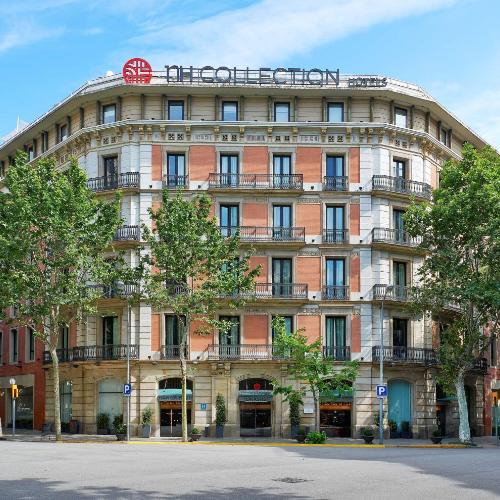
Top Rated 70.99
Top Rated 70.48
Top Rated 70.32
Top Rated 70.16
Top Rated 70.14
Well Reviewed 69.92
Well Reviewed 69.85
Well Reviewed 69.71 Neighborhoods — honest take
How each area actually feels, who it fits, and the trade-offs.
Eixample
- easy to navigate
- good balance between comfort and location
- close to major landmarks
- can be more expensive than outer districts
- less historic atmosphere than the old city
Often the smartest all-around choice for travelers who want Barcelona to feel easy, central and comfortable.
Gothic Quarter
- iconic old-city atmosphere
- very central
- good for walking to many sights
- can be noisy
- crowded
- some properties have older layouts and less comfort
A strong choice for atmosphere and immediacy, but not ideal for travelers who prioritize calm and comfort.
Gracia
- more local atmosphere
- pleasant squares and cafes
- less intense than the old center
- less immediate access to the main tourist core
- not the simplest base for very short stays
One of the best areas if you want Barcelona to feel lived-in rather than purely touristic.
Barceloneta / Seafront
- quick access to the beach
- good for warm-weather trips
- distinct Barcelona sea-and-city mix
- more tourist-driven
- can be noisy
- often weaker value in peak season
Worth it if beach access is a core priority, less compelling if your trip is mainly cultural and urban.
Best hotels in Barcelona at a glance
Our top picks based on score, reviews, and value
All Scored Hotels in Barcelona
23 hotels with scores, reviews, and prices
Top hotel matchups in Barcelona
Our most useful hotel-vs-hotel comparisons
Local insights — what visitors often miss
- Booking the Gothic Quarter without expecting nighttime noise and heavy foot traffic.
- Choosing a beachfront area just because it sounds attractive, even if the beach is not central to your trip.
- Assuming any central location will feel the same from a comfort and atmosphere perspective.
- Focusing only on price and ignoring whether the area matches your travel style.
- In Barcelona, neighborhood character affects the whole trip more than many travelers expect.
- A slightly less tourist-saturated area often delivers a better stay than the busiest central streets.
- For a short break, ease of movement matters more than chasing the most famous address.
- You do not need to stay in the absolute historic core if you have good metro access.
- Barcelona is manageable on foot in many areas, but choosing a well-connected neighborhood still improves the stay significantly.
- A hotel with strong metro access often gives better value than a more expensive hotel in the busiest center.
- Shoulder season often gives the best mix of pleasant weather, lower pressure and better value.
- Summer brings stronger demand, more noise and a heavier tourist atmosphere in the busiest districts.
- If the beach is not your main goal, avoiding peak heat and peak crowds usually improves the experience.
Frequently asked questions
+ What is the best area to stay in Barcelona for first-time visitors?
Eixample is often the easiest overall choice because it balances central access, comfort and convenience better than more intense tourist zones.
+ Is the Gothic Quarter the best place to stay in Barcelona?
It can be a good choice for atmosphere and centrality, but it is not the best option for every traveler because it can be noisy and crowded.
+ Is Barcelona expensive for hotels?
Barcelona can still offer decent value, but prices rise quickly in strong central areas and during peak periods.
+ Should I stay near the beach in Barcelona?
Only if beach access is a major priority. For many city-break travelers, Eixample or Gracia offer a better overall experience.